GLP-1 medications have transformed obesity care, but real-world adherence remains the industry’s biggest challenge. While clinical trials show remarkable results, nearly two-thirds of patients without diabetes discontinue therapy within a year. The culprit? Patients can’t see the changes happening in their bodies.
Introduction
In the STEP 1 Trial, once-weekly semaglutide 2.4 mg produced remarkable results: 86.4% of participants lost at least 5% of their body weight, and approximately half achieved a weight loss of 15% or greater over 68 weeks.
Real-world outcomes tell a different story. A 2025 retrospective cohort of 125,474 adults initiating GLP-1 receptor agonists found that 46.5% of patients with type 2 diabetes and 64.8% without type 2 diabetes discontinued therapy within one year.
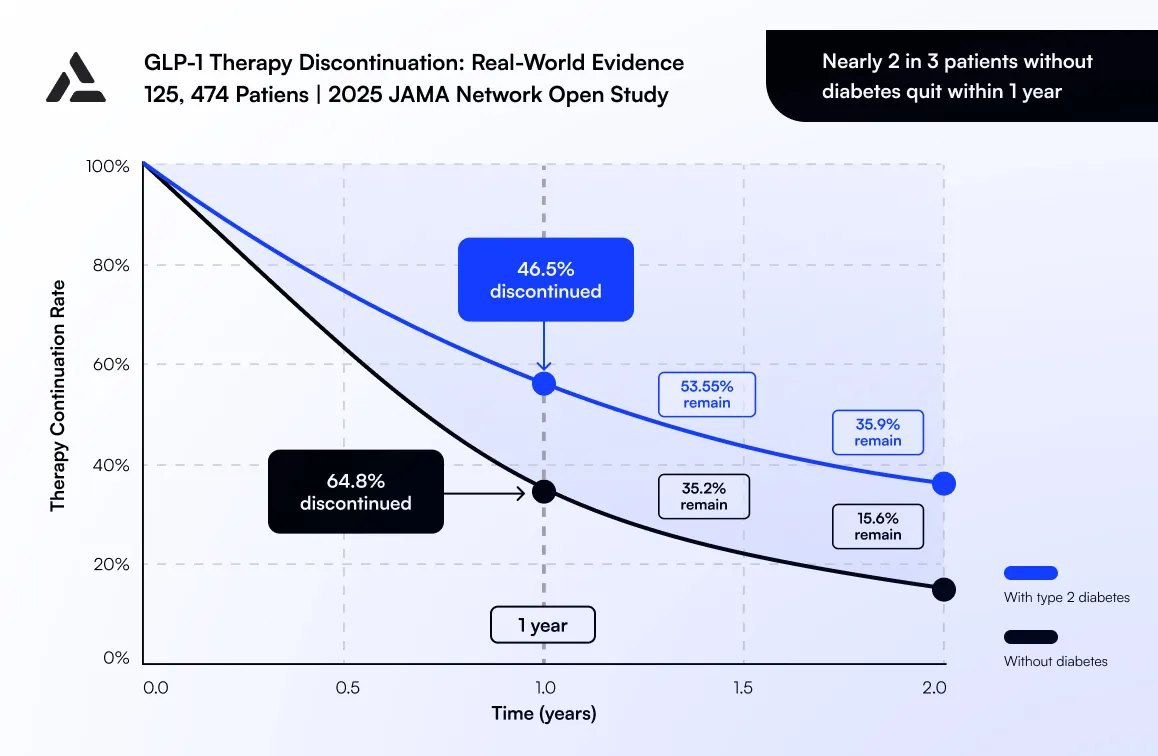
The greatest challenge is not the medication itself but sustained engagement. Patients often stop when the scale stalls, even if their body composition improves beneath the surface. When progress feels invisible, motivation collapses, and patient retention follows.
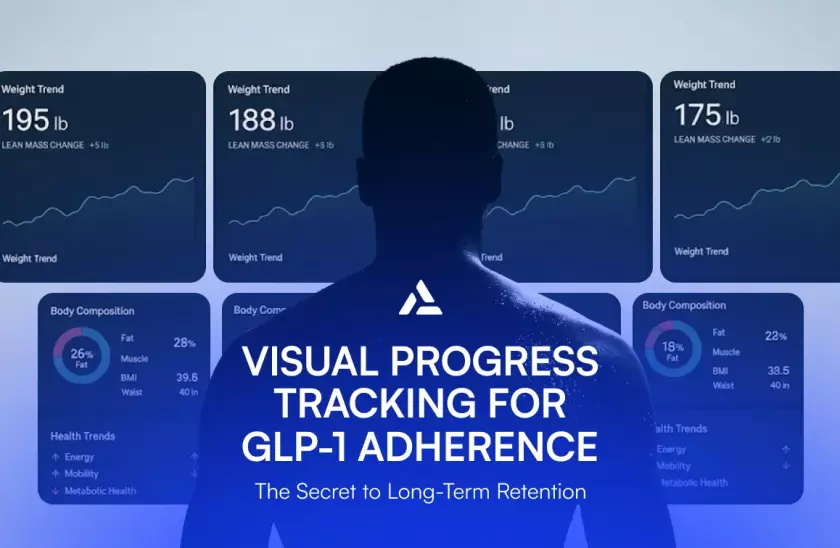
Visual, data-driven progress tracking solves this by making physical change measurable and visible, even in the months when weight loss naturally slows. For telehealth founders and CEOs, this capability has become a strategic differentiator.
Why Traditional Metrics Undermine Engagement
Most programs still rely on weight and BMI as primary indicators of progress; however, these metrics fail to capture the actual changes that occur in the body during GLP-1 therapy. Scales shift with hydration, inflammation, and changes in lean mass, creating a misleading picture of stagnation even when fat loss is occurring.
For example, a patient may lose 2.5 kg of fat while gaining 1 kg of lean mass, yet the scale shows only a 1.5 kg weight loss. Without context, the patient assumes the medication has “stopped working,” even though their body composition is improving exactly as expected.
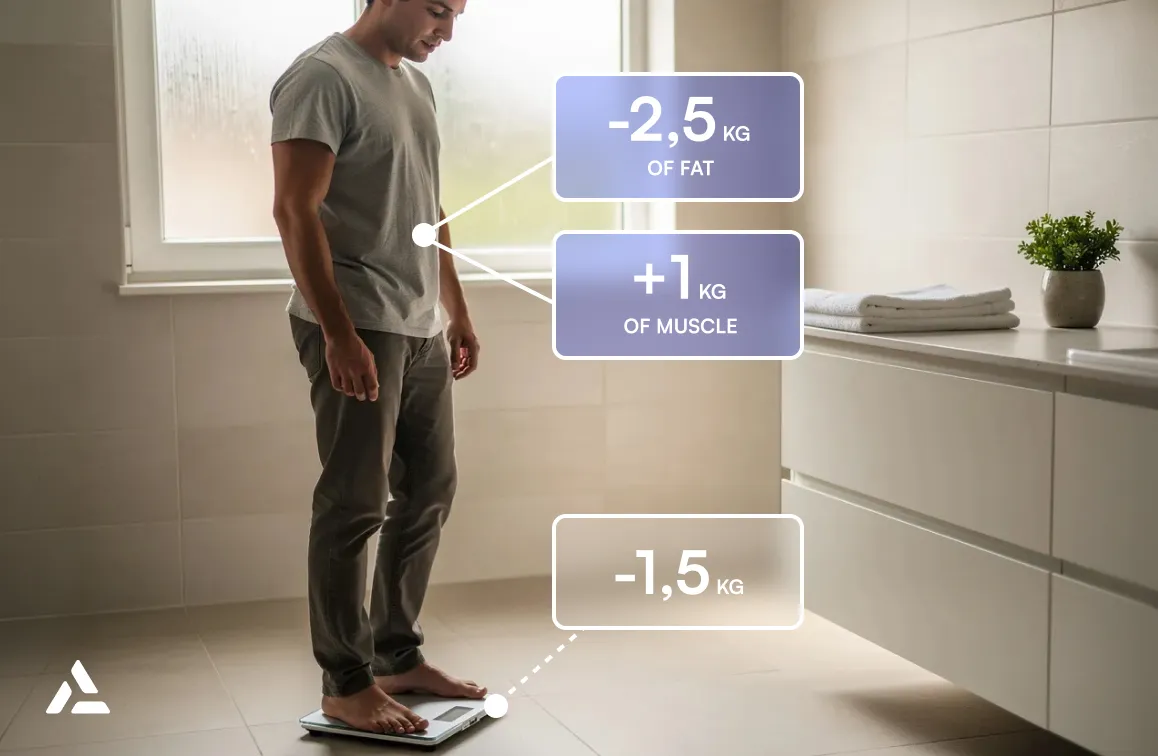
This becomes especially critical after the first 12 weeks of GLP-1 treatment, when fat loss naturally slows, and the well-documented plateau begins. Scale progress flattens even as waist circumference, fat distribution, and visceral fat continue to improve. Without visual, verified data to reveal these changes, motivation drops at the precise moment when consistency matters most.
What the Evidence Says About Digital Tracking & Engagement
The evidence base is compelling:
- Daily digital self-monitoring improves results. A 2024 systematic review found digital tracking led to stronger weight-loss and maintenance outcomes than infrequent monitoring.
- Digital feedback strengthens adherence. A 2024 randomized study found that when coaches had access to clients’ digital tracking data, weight-loss outcomes improved significantly.
- GLP-1 patients who track their progress more actively tend to see better results. A 2025 JMIR analysis revealed that higher digital engagement was associated with greater weight loss.
- 3D body-shape data captures changes invisible to weight alone. A 2023 EJCN study found 3D-scan metrics explained 5–10% more variation in body composition than BMI.
How AI-Powered Body Scanning Transforms GLP-1 Programs
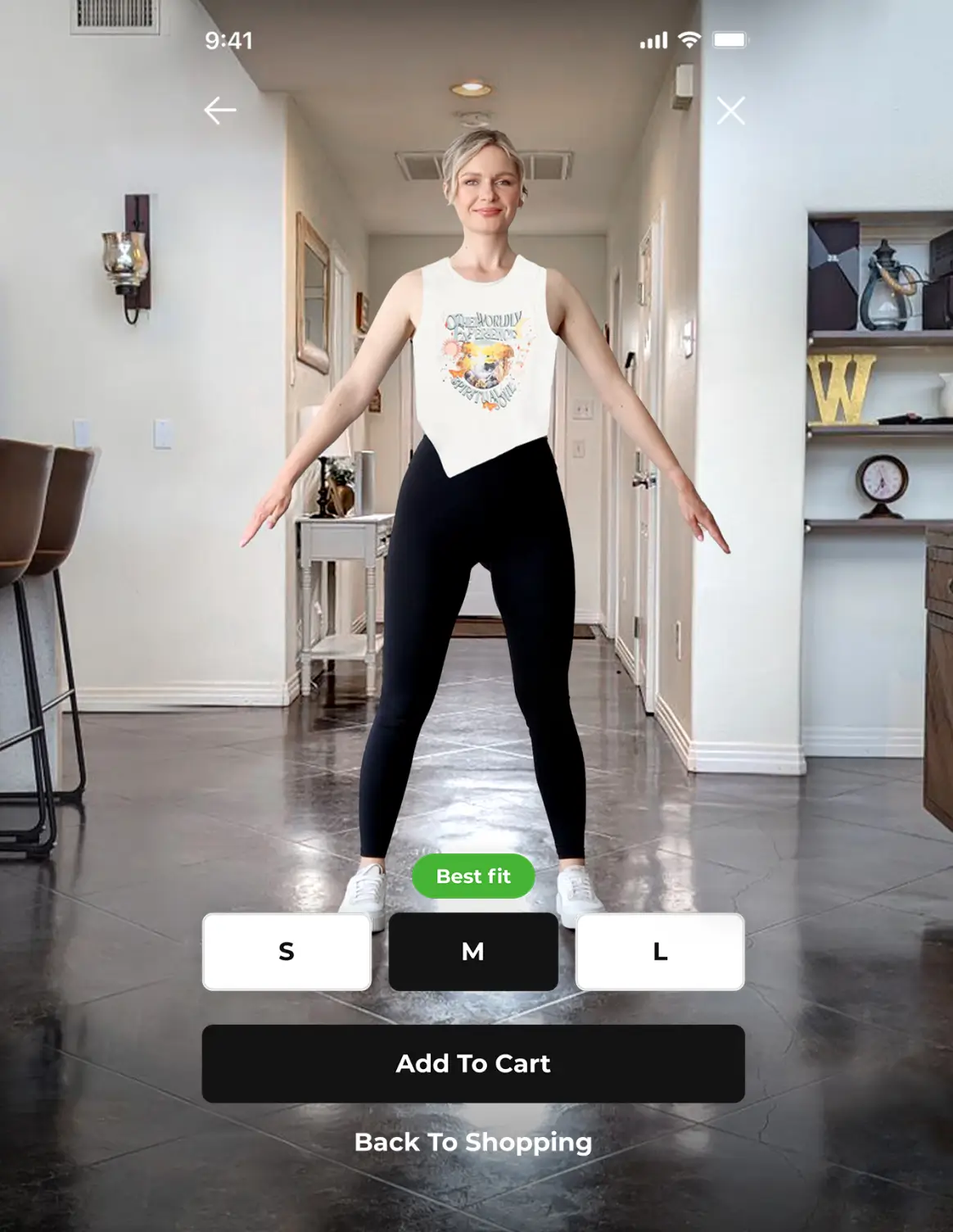
Modern AI body-scanning systems represent a breakthrough in accessible progress tracking. These platforms can extract over 80 body measurements from two smartphone photos (front and side), achieving an accuracy of approximately 96–97% compared to manual anthropometry, with an average error of roughly 3.5% in weight prediction.
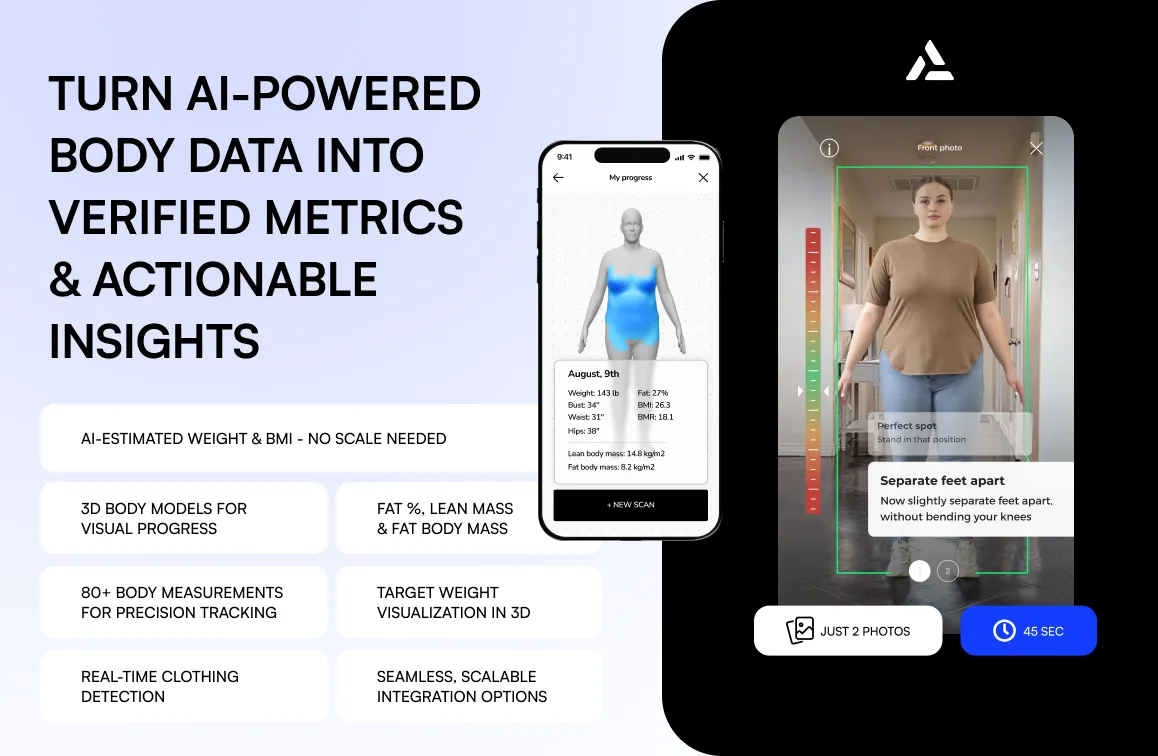
Platforms such as 3DLOOK’s FitXpress put this into practice:
- No hardware required: Guided capture, clothing detection, and pose validation ensure consistent and reliable scans.
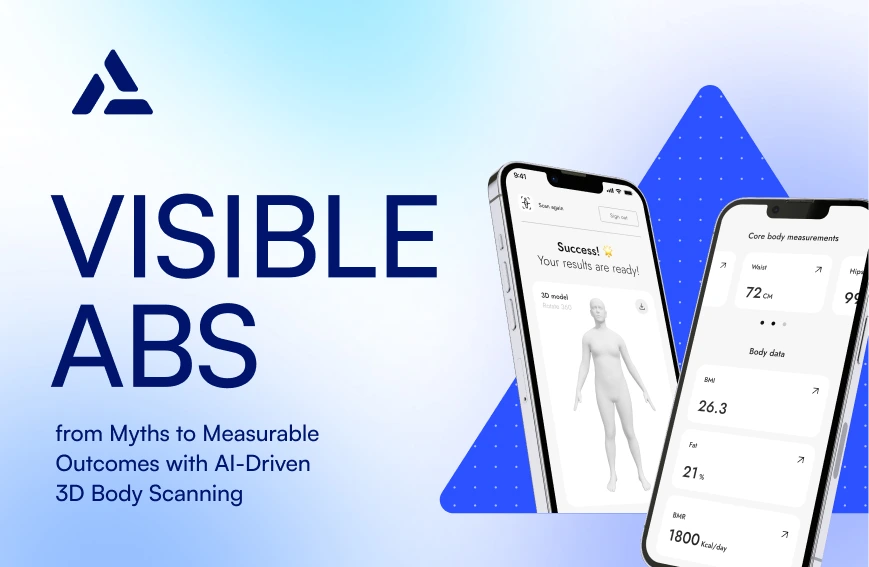
- Rich data outputs: Detailed measurements, estimated weight and BMI, and a 3D avatar that updates with every scan.
- Precision that patients can feel: Even when the scale barely moves, scans reveal meaningful changes in waist, hips, arms, and overall shape.
In GLP-1 programs, this becomes a pivotal advantage. A scale may show only a one-kilogram change, while a scan reveals several centimeters lost around the waist or hips. Monthly scans make these changes unmistakable, preventing the discouragement that often leads to early dropout. Visual proof of progress turns the scan into a reliable retention tool, showing patients how their body is changing even when traditional metrics miss it.
Data remains protected through HIPAA-aligned infrastructure, strong encryption, and minimal retention. The patient experience remains simple: open the app, follow the prompts, and watch the avatar evolve. For providers, the system becomes a retention driver, a transparent documentation layer, and a competitive differentiator built on verified body data.
Discover how AI-powered body intelligence is reshaping GLP-1 programs, telehealth, and digital health, from accurate remote assessments to safer and more engaging patient journeys.
Where Visual Progress Tracking Fits in the GLP-1 Funnel
3D scanning supports adherence at the moments when motivation is most fragile:
- Baseline: Establishes accurate starting measurements and verifies eligibility. This builds trust and removes uncertainty from day one.
- Early Phase (Weeks 1–12): Frequent scans reveal rapid changes in circumference and shape that the scale often fails to detect. This early reinforcement strengthens motivation before the plateau.
- Plateau Phase (Months 4–9): Weight loss slows, but body-shape improvements continue. Verified data helps patients see progress they would otherwise miss — reframing the plateau as a normal, expected stage.
Instead of feeling stalled, patients understand they are still moving forward.
Closing Thought
For telehealth founders and CEOs, the message is clear: Prescribing GLP-1 medications is table stakes; the real leverage lies in how you keep patients engaged, prove outcomes, and protect unit economics.
Visual progress tracking is not a cosmetic add-on, it is a strategic lever. Integrating validated measurement, feedback, and visualization into your GLP-1 journey is the difference between being a short-term acquisition channel and building a durable, defensible obesity-care business.