For decades, the primary metric for measuring physical development was total body weight. However, two individuals with identical weights may have vastly different proportions of fat and lean mass; thus, insights derived from traditional scale data can often be misleading. This distinction forms the foundation of body composition analysis — the study of the relative amounts of fat and lean mass in the human body.
The scientific literature increasingly suggests that body composition provides more clinically relevant data than weight alone, particularly in relation to training for aesthetics and long-term metabolic health. Shifts in fat and muscle can occur even when total body mass remains static. Tracking these nuances is essential for trainers and health professionals to determine whether specific activities aimed at improving body composition are generating the intended physiological adaptations.
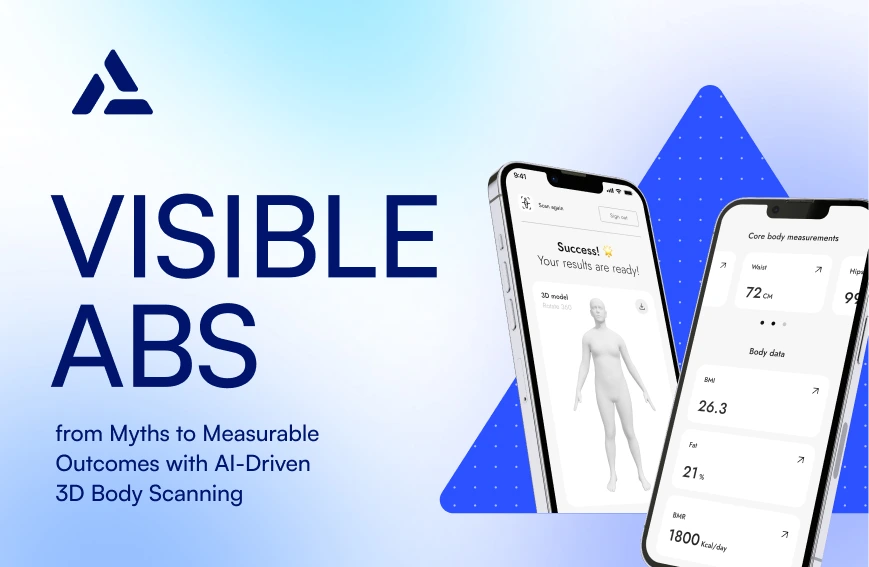
AI-powered mobile 3D body-scanning technology has revolutionized this field. Eliminating the need for specialized equipment, mobile 3D body scanning enables rapid, objective measurement of physical changes using a smartphone. This article examines the theoretical framework of body composition activities, the mechanics of building an aesthetic physique, and the role of mobile 3D scanning in modern progress monitoring.
Medical Disclaimer
The information provided in this article is for educational and informational purposes only and is not intended as medical advice. Always consult with a qualified healthcare professional or physician before beginning any new exercise program, making significant dietary changes, or utilizing new health-tracking technologies.
Understanding the Science of Body Composition
Body composition defines the ratio of fat mass to lean mass (muscle, bone, and connective tissue). While the Body Mass Index (BMI) provides a general height-to-weight ratio, it fails to account for the quality of that mass.
The significance of this metric is rooted in several physiological factors:
- Metabolic Function: Lean mass is a primary determinant of Basal Metabolic Rate (BMR), which dictates daily energy expenditure independent of physical activity.
- Cardiometabolic Health: Lower systemic fat mass is consistently correlated with improved health markers.
- Functional Capacity: Physical performance is determined more by the quality of lean muscle mass than by total body weight.
Research highlights that weight reduction does not always equate to improved health. In studies of dietary weight loss, lean-mass loss accounted for approximately 25% of total weight loss in female subjects, with even higher ratios observed in men, which underscores the need to monitor composition data to ensure that weight loss is not occurring at the expense of metabolic tissue.
The Influence of Physical Activities on Body Composition
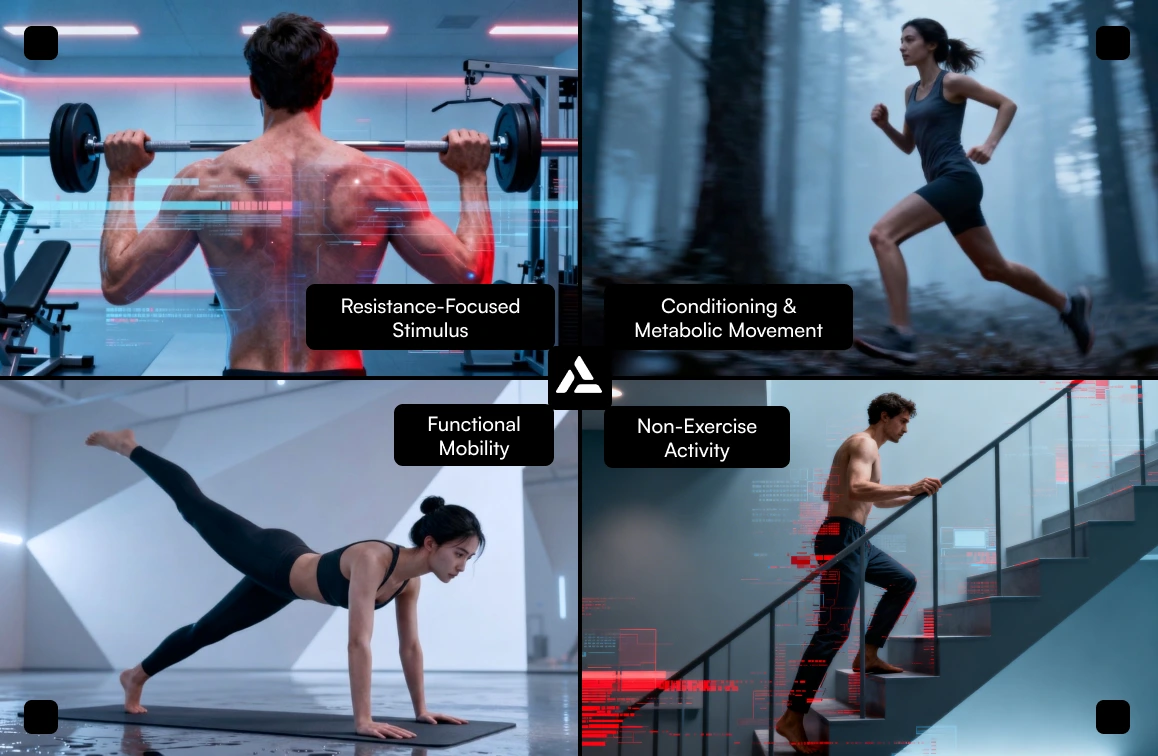
Physical movements influence the body’s internal landscape through various stimulus-response mechanisms. Theoretically, activities for body composition are categorized by their primary metabolic or mechanical impact:
Categories of Body Composition Activities
- Resistance-Focused Stimulus: These body-composition exercises involve movements that target major muscle groups to provide the mechanical tension needed to preserve lean mass or increase it.
- Conditioning & Metabolic Movement: These body composition workouts are designed to increase heart rate and energy expenditure, facilitating the reduction of fat mass.
- Functional Mobility: Practices to ensure sustainability during a consistent body composition exercise routine over time that maintain joint integrity.
- Non-Exercise Activity (NEAT): Incidental movement, such as walking or climbing stairs, which contributes to the cumulative energy balance.
Evidence suggests that even over short durations (e.g., 5 weeks), high-load body-composition activities can produce statistically significant increases in lean mass and reductions in body fat, often without substantial changes in total body weight.
Theoretical Concepts in Aesthetic Development
While performance training focuses on output (strength or endurance), aesthetics training focuses on visual symmetry, muscle prominence, and structural proportions.

How to Train for Aesthetics
To achieve an aesthetic body, the muscle volume with subcutaneous fat must be in balance. The goal is to enhance muscularity and maintain a body fat percentage that enables the muscle definition within sustainable physiological ranges.
In cardiovascular conditioning, professionals often monitor metabolic intensity using metrics such as elevation gain.
What is elevation gain? It refers to the total vertical distance ascended during a workout. Understanding the meaning of elevation gain is essential for calculating the increased caloric cost and greater posterior chain recruitment that is activated during elevation-based movements. High elevation gain during rucking or incline walking is a potent body-composition exercise that connects conditioning and lower-body muscle preservation.

Discover how AI-powered body intelligence is reshaping GLP-1 programs, telehealth, and digital health, from accurate remote assessments to safer and more engaging patient journeys.
Lifestyle Factors and Physiological Preservation
External lifestyle factors moderate the efficacy of any body-composition workout. Research indicates that weight loss achieved without supportive workouts for body composition results in a significant reduction in lean tissue — roughly 20-30% of the total weight lost.
Other pillars include:
- Recovery: Sleep and stress levels regulate hormonal signaling that controls muscle protein synthesis and fat breakdown.
- Nutritional Support: Adequate protein intake is essential for maintaining lean mass during periods of energy deficiency.
- Consistency: The physiological adaptation to activities that improve body composition is a cumulative process, favoring regular moderate stimulus over sporadic high-intensity bouts.
Smart Progress Tracking: The Shift to Mobile 3D Body Scanning
The limitations of traditional tracking methods, such as hydration-related variability in bioelectrical impedance or day-to-day weight fluctuations, have created a need for more robust, objective metrics.
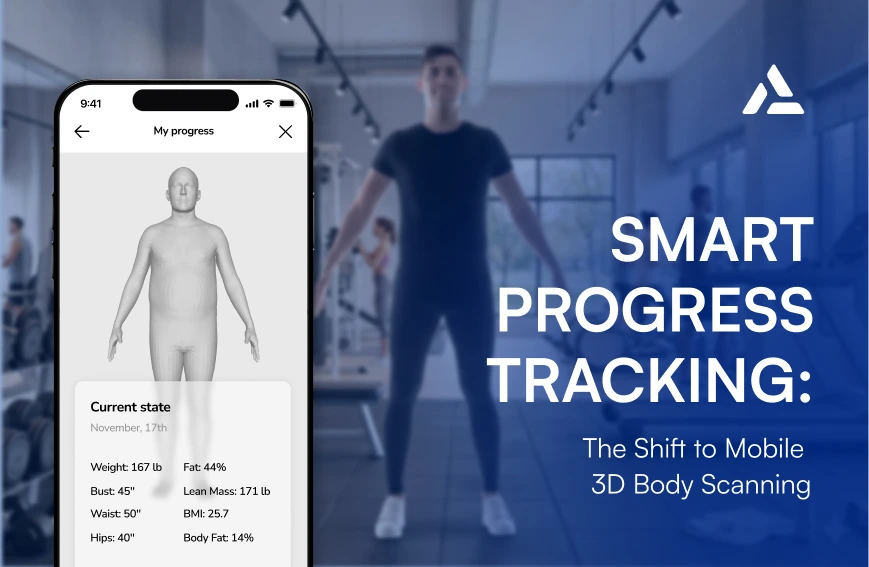
AI-powered mobile 3D body scanning provides a non-invasive, longitudinal method for observing shifts in body shape and volume. By generating a digital model of the body using a smartphone camera, the technology enables visualization of progress that the scale cannot detect, offering a clearer picture of how body composition activities influence physical change over time.
AI-Powered Mobile 3D Body Scanning: Technical Advantages
- Detailed Anthropometry
AI-powered mobile scanning provides precise circumference measurements and symmetry analysis of all body regions. For clients focused on aesthetic training, where overall size, proportional development, and subtle shape changes matter, this level of detail is particularly valuable. - Data-Driven Adjustments
AI-powered 3D body scanning enables objective adjustments to a client’s body-composition exercise protocol by providing reliable, trend-tracking data. Instead of relying solely on perception, individuals and professionals can base decisions on longitudinal data patterns. - Accessibility and Cost-Efficient Implementation
Unlike clinical assessment tools that require specialized hardware, dedicated space, or in-person appointments, AI-powered mobile 3D body scanning can be made by taking photos on smartphones. The ease of deployment reduces complexity and operational costs for wellness providers, fitness facilities, and digital health platforms. Being mobile-first and AI-driven, the technology enables scalable body composition monitoring without substantial infrastructure investment.
Conclusion
A comprehensive understanding of body composition allows fitness professionals to move beyond the limitations of the scale. By integrating targeted body composition activities and leveraging AI-powered mobile 3D scanning, it is possible to monitor the subtle physiological shifts that define true physical transformation. Whether the objective is health longevity or training for aesthetics, the focus remains on the quality of the mass, the consistency of the stimulus, and the accuracy of the data.